Passion for Innovation
Operations
Quality Improver
Quality culture doesn’t die from a lack of will. It fades away in the gap between strategy and the shop floor.
In most companies, a quality strategy exists. It lives in leadership slide decks, annual objectives, and audit reports. The teams have heard it. Many times.
What they often lack, however, is the necessary bridge to actually execute it.
The scenario is a classic one: Middle managers are handed targets to reduce non-conformities. They nod in meetings. Then they return to the floor, without a common language with their operators, without concrete tools, and without any certainty that their feedback will be heard.
So, they improvise.
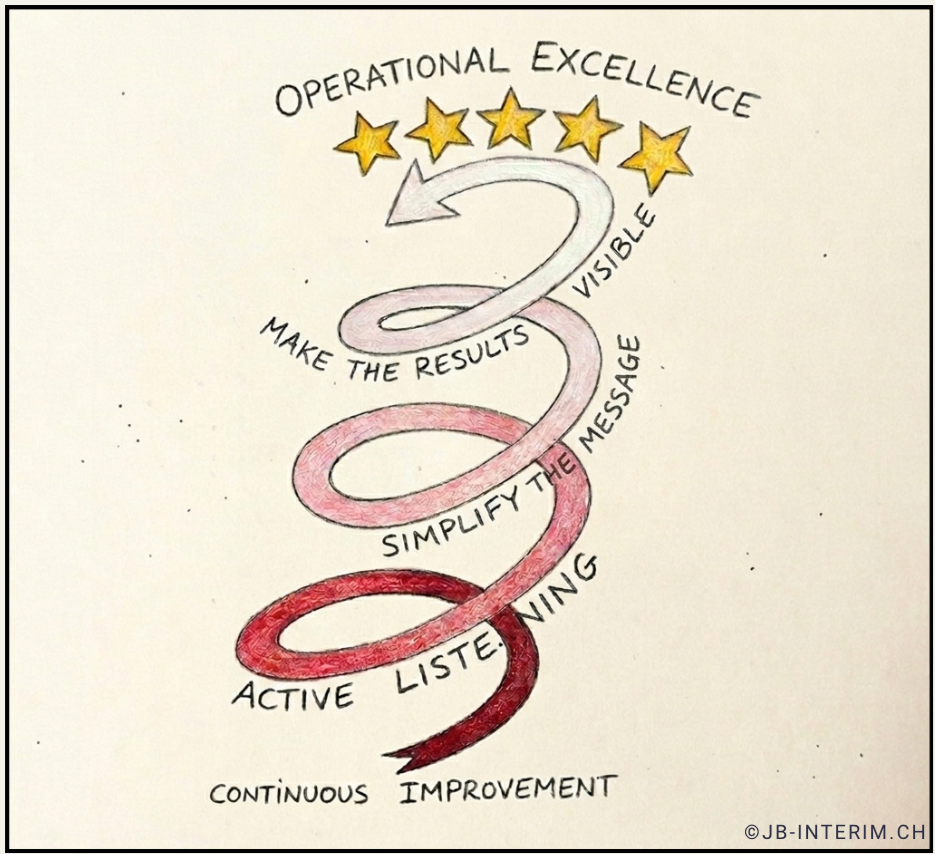
This isn't a problem of will; it’s a translation problem. Quality cannot be imposed; it must be translated, and always in this order:
- Active Listening: Establish a regular rhythm where the floor can report bottlenecks. Employees must see that leadership has heard and acted. This isn't just a meeting—it is proof.
- Simplify the Message: Translate high-level global goals into one or two concrete actions that a manager can explain to their team in two minutes on a Monday morning.
- Make the Results Visible: Link daily efforts to the real impact on the team, the plant, and the customer.
Applying a strategy before listening is like building on sand. Teams end up "enduring" quality rather than living it.
A successful quality culture is simply frontline reality transformed into action.
One simple question: In your organization, when the floor reports a quality issue, what concrete action happens within the next 48 hours?